
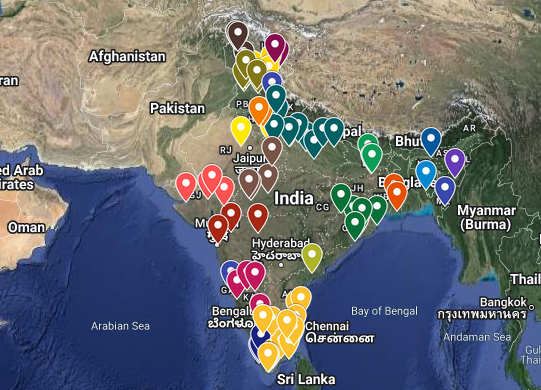
Click here for Interactive Map View
Ramsar Sites are wetlands recognized as being of international importance under the Ramsar Convention. Ramsar Convention is a global treaty adopted in 1971 in Ramsar, Iran, to promote the conservation and wise use of wetlands. These wetlands – including lakes, rivers, marshes, mangroves, floodplains and coastal lagoons – play a vital role in supporting biodiversity, storing water, reducing floods, improving water quality and helping communities adapt to climate change.
India is home to a diverse range of Ramsar Sites that provide habitat for countless species of birds, fish, mammals, and plants. Many of these species are rare or endangered. Recognizing these wetlands as Ramsar Sites highlights their ecological significance and encourages their protection and sustainable management.
Download the list in XLS format
(Last updated: 30 June 2026)